The Complete Guide to Building and Managing a Professional Chef Food Blog Website in 2026
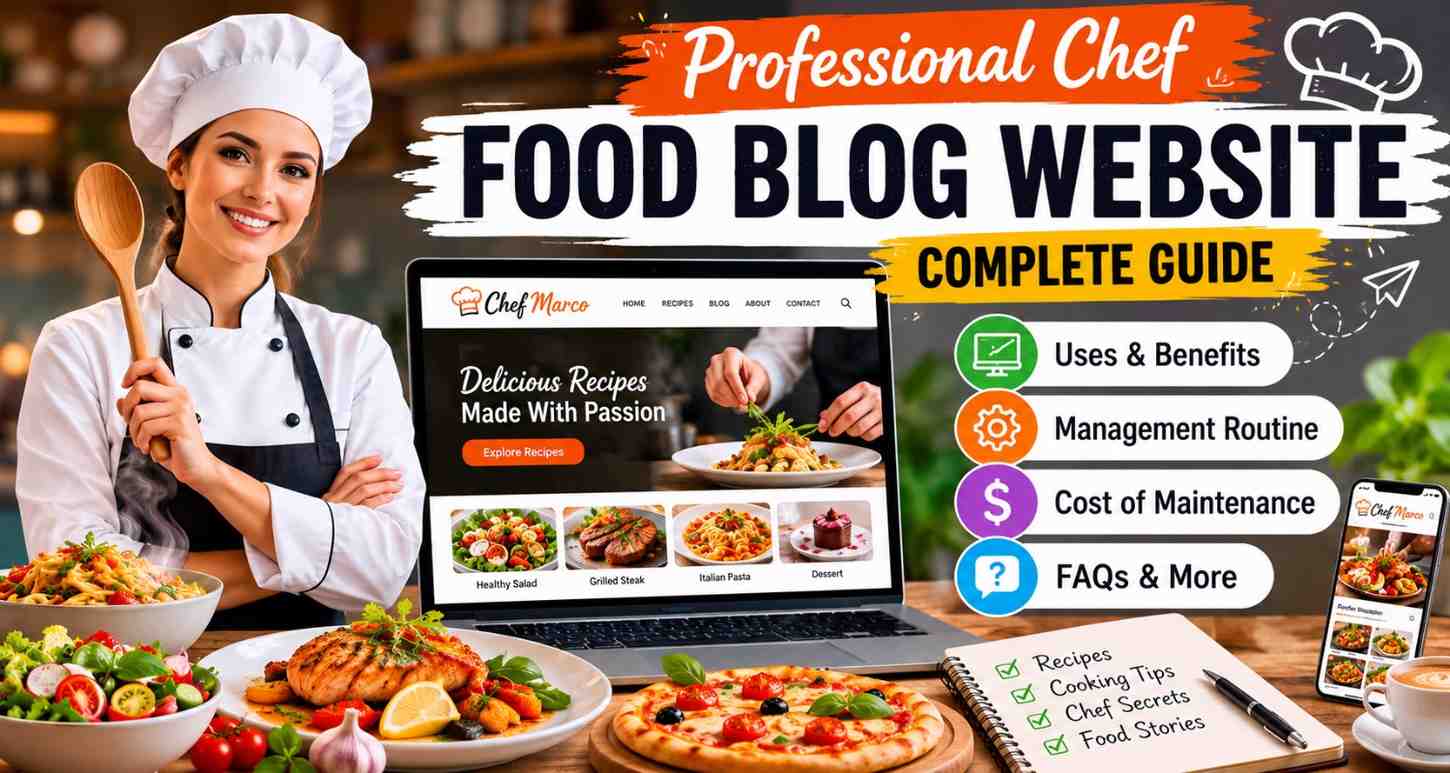
Introduction
In today's digital world, having a professional website is no longer optional for chefs and food creators. Whether you're sharing family recipes, publishing cooking tutorials, promoting a restaurant, or building a personal culinary brand, a dedicated food blog website can become one of your most valuable business assets.
A modern chef food blog combines recipe publishing, personal branding, audience engagement, and business growth into a single platform. It helps chefs connect directly with food enthusiasts while building authority in the culinary industry.
What You'll Learn
- Core features of a chef website
- Benefits of running a food blog
- Content strategies for growth
- Website management routines
- Estimated maintenance costs
- Frequently asked questions
What Is a Professional Chef Food Blog Website?
A Professional Chef Food Blog Website is a specialized platform designed to showcase recipes, cooking techniques, ingredient guides, food reviews, restaurant stories, and culinary experiences.
Unlike traditional business websites, food blogs focus heavily on content creation and community engagement. Visitors can browse recipes, learn cooking methods, subscribe to newsletters, and connect with the chef behind the content.
Popular Website Features
- Recipe galleries
- Featured recipe sliders
- Chef profile pages
- Newsletter subscriptions
- Social media integration
- SEO optimization tools
Core Features of a Modern Chef Website
Hero Showcase Section
The hero section is the first thing visitors see when they arrive on your website.
- Professional food photography
- Chef branding
- Welcome message
- Call-to-action buttons
- Featured promotions
Featured Recipe Slider
A swipeable recipe slider highlights signature dishes and popular recipes while creating a modern user experience on desktop and mobile devices.
Food Blog Section
The blog serves as the heart of the website where chefs can publish:
- Recipes
- Cooking tutorials
- Kitchen hacks
- Food reviews
- Ingredient guides
- Restaurant stories
- Culinary travel experiences
About the Chef
A dedicated profile section helps establish trust and credibility by showcasing:
- Professional experience
- Certifications
- Awards
- Restaurant background
- Culinary philosophy
Newsletter Subscription System
Email newsletters remain one of the most powerful digital marketing tools available.
Newsletter Benefits
- Weekly recipes
- Cooking tips
- Special promotions
- Course announcements
- Event invitations
Mobile-Friendly Design
Since most visitors browse using smartphones, responsive design ensures recipes and articles look great on every screen size.
Search Engine Optimization (SEO)
Proper SEO helps recipes and articles rank higher on Google, bringing consistent traffic from people searching for cooking-related content.
Common Uses of a Chef Food Blog Website
Recipe Publishing
- Traditional recipes
- Healthy meals
- Vegan dishes
- Desserts
- International cuisine
- Seasonal specials
Personal Branding
Build a recognizable identity and establish yourself as a trusted culinary expert.
Restaurant Marketing
- Showcase menu items
- Promote events
- Share food stories
- Highlight seasonal offerings
Monetization Opportunities
- Display advertising
- Affiliate marketing
- Sponsored posts
- Recipe eBooks
- Online courses
- Membership subscriptions
Benefits of Owning a Food Blog Website
- Full ownership of your content and brand.
- Long-term traffic and revenue potential.
- Improved search engine visibility.
- Higher credibility and professionalism.
- Direct audience communication through email.
- Multiple revenue streams.
- A professional portfolio for showcasing culinary skills.
Website Management Routine
Daily Tasks
- Respond to comments
- Monitor website uptime
- Check analytics
- Answer subscriber emails
- Share content on social media
Weekly Tasks
- Publish new recipes
- Update older content
- Create social media content
- Review SEO performance
Monthly Tasks
- Backup website data
- Update plugins and software
- Review traffic trends
- Perform security checks
Content Strategy for Growth
Consistency is one of the biggest factors behind successful food blogs.
Recommended Publishing Schedule
- 2–3 recipes weekly
- 1 cooking tutorial weekly
- 1 ingredient guide monthly
- 1 equipment review monthly
- 1 seasonal recipe collection quarterly
Estimated Maintenance Costs
- Domain Name: $10–$20/year
- Basic Hosting: $30–$120/year
- Professional Hosting: $150–$500/year
- Email Marketing: $0–$100+/month
- SEO Tools: $20–$150/month
Average Annual Budget
- Small Food Blog: $100–$500/year
- Growing Food Blog: $500–$2,000/year
- Professional Food Brand: $2,000+/year
Tips for Success
- Use high-quality food photography.
- Publish content consistently.
- Focus on SEO.
- Build an email list early.
- Promote content on social media.
- Update older articles regularly.
- Create unique recipes.
- Monitor website analytics.
- Engage with readers.
- Invest in your personal brand.
Frequently Asked Questions
Do I need to be a professional chef?
No. Home cooks, food enthusiasts, and culinary students can successfully run food blogs.
Can a food blog make money?
Yes. Revenue can come from ads, affiliate marketing, sponsorships, digital products, and online courses.
How often should I publish content?
At least one high-quality article or recipe each week is a good starting point.
How long does it take to grow a food blog?
Most blogs require six to twelve months of consistent effort before significant growth occurs.
Conclusion
A Professional Chef Food Blog Website is far more than a recipe collection. It is a powerful branding, marketing, and business platform that can help chefs build authority, attract new audiences, and generate sustainable income.
With responsive design, engaging content, SEO optimization, and effective audience-building strategies, a food blog can become one of the most valuable digital assets for culinary professionals in 2026 and beyond.
By consistently publishing quality content, engaging with readers, and maintaining your website properly, you can transform a simple food blog into a thriving online community and successful culinary brand.